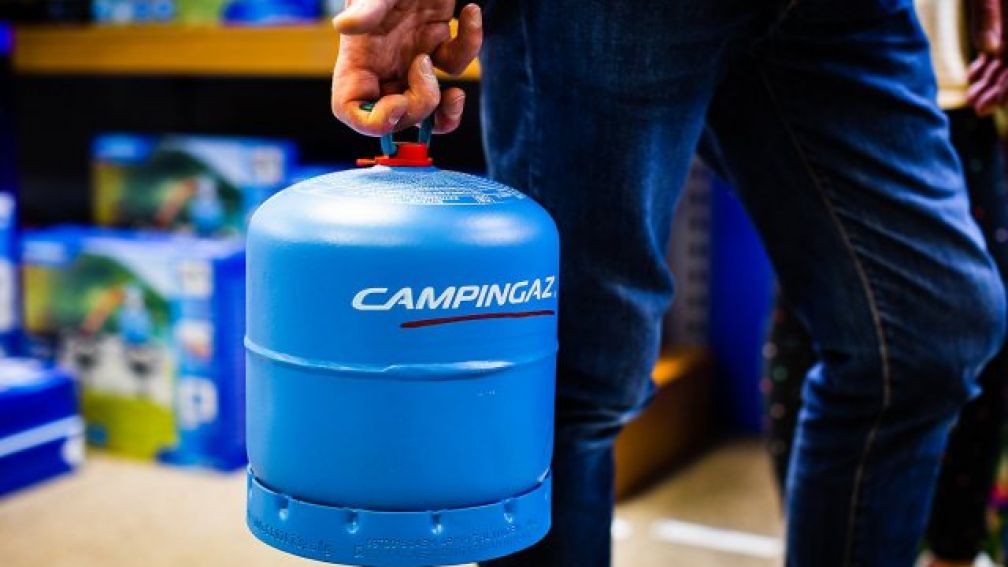
Camping Gas Guide: Everything you need to know
How much gas do I really need?
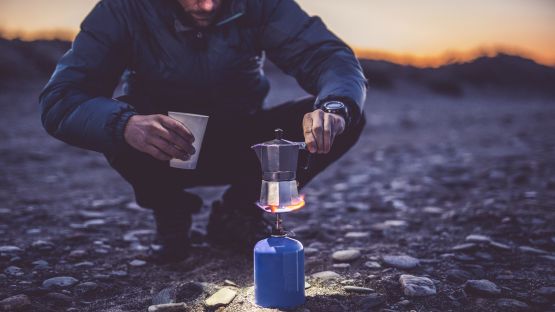
Whether you're boiling the kettle for your morning coffee, cooking dinner after a day of exploring, or heating your caravan on a chilly evening, having the right camping gas is essential.
But how much gas do you actually need? Should you choose butane or propane? And what affects how quickly you use it?
In this guide, our team of experienced campers explains everything you need to know about camping gas, helping you choose the right fuel for your next adventure.
What uses camping gas?
Camping gas powers far more than just your camping stove. Depending on your setup, it can be used for:
- Camping stoves
- Portable BBQs
- Camping kettles
- Caravan hobs
- Caravan ovens
- Water heaters
- Gas heaters
- Caravan refrigerators
- Outdoor grills
Whether your setup is a simple weekend tent, an off-grid adventure, or a luxury glamping getaway, camping gas helps power many of the comforts you rely on.
The most common use is cooking meals and boiling water, making it quick and easy to prepare everything from breakfast to evening dinner. When temperatures drop, gas can also help keep your accommodation warm and comfortable. While gas heaters are less common for tent campers nowadays, they're still widely used in caravans and motorhomes.
Camping gas also powers many caravan and motorhome appliances, including hobs, ovens, heating systems, hot water and refrigeration, making it an essential part of any camping setup.
What affects Gas usage?
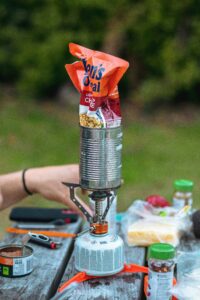
Ever wondered why one gas cartridge seems to last for weeks, while another runs out after just a few days? You're not alone.
Camping gas consumption can vary significantly depending on how you're using it. Here are the biggest factors that affect how much gas you'll need:
- Trip length – The longer your trip, the more gas you'll need.
- Number of campers – Cooking for one person uses far less gas than cooking for a family or group.
- Cooking habits – Simple meals use less gas, while cooking with multiple pans and making lots of hot drinks will use more fuel.
- Weather conditions – Cold and windy weather makes your stove less efficient, increasing gas consumption.
- Altitude – Higher elevations can affect stove performance, meaning you may use more gas.
- Stove efficiency – Modern, well-maintained stoves generally use less gas and perform more efficiently.
How much camping gas do I need?
One of the most common questions we hear is, "How much camping gas do I need?"
The figures below are intended as a general guide based on moderate cooking, such as boiling water and preparing simple meals. Your gas usage may vary depending on the weather, the appliances you're using, and your cooking habits.
|
Trip Type |
Recommended Gas |
|
1 person, weekend |
100–230g canister |
|
2 people, weekend |
230g canister |
|
Family of 4, weekend |
450g canister or larger |
|
1–2 people, week-long trip |
450g canister |
|
Family camping for a week |
2 × 450g canisters or a refillable gas cylinder |
How to make the Gas last longer
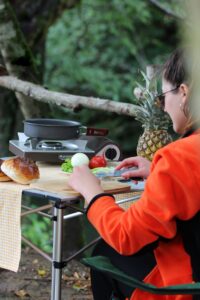 Don't let running out of gas spoil your trip. A few simple habits can help make your camping gas go much further.
- Use a lid – Cooking with a lid reduces cooking time and uses less gas.
- Shelter your stove – Protecting your stove from the wind improves efficiency and reduces fuel consumption.
- Boil only what you need – Heating excess water wastes both time and gas.
- Plan simple meals – One-pot meals use fewer pans, making cooking quicker and more fuel-efficient.
- Turn the gas off promptly – Once your food or water is ready, switch the gas off straight away to avoid wasting fuel.
Butane vs Propane: Which Camping Gas Is Best?
Choosing the right camping gas can make a big difference to how efficiently your equipment performs. The best option depends on the time of year, where you're camping, and the appliances you're using. Here's a quick guide to help you choose.
Butane
Butane works best in mild to warm weather, making it ideal for spring and summer camping in the UK. Supplied in lightweight canisters, it's easy to transport and store, making it popular with tent campers, festival-goers, backpackers, and weekend adventurers.
It's the go-to fuel for camping stoves and portable cookers, providing a consistent flame for boiling water, cooking meals, and making hot drinks. Available with click-fit or screw-fit connections, butane is easy to use and a great choice for first-time campers or shorter trips.
Best for
- Summer camping
- Weekend trips
- Festival camping
- Camping stoves
Propane
Propane is a reliable fuel that performs well in all weather conditions, making it ideal for year-round camping. Unlike butane, it continues to work efficiently in colder temperatures, making it a popular choice for autumn and winter adventures.
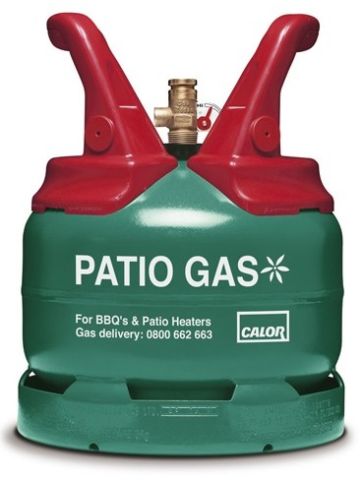
Commonly supplied in larger cylinders, propane is perfect for powering heating, cooking, hot water systems, and refrigeration in caravans and motorhomes. While heavier than small canisters, it provides a longer-lasting fuel supply, making it ideal for extended trips.
Best for
- Winter camping
- Caravans
- Motorhomes
- Longer stays
Propane Butane Mixes
If you're looking for an all-round camping gas, a propane/butane mix combines the benefits of both fuels. The propane helps improve performance in cooler weather, while the butane provides an efficient burn in milder conditions, making it suitable for most UK camping trips.
Available in lightweight canisters, these mixes are compatible with many camping stoves and cooking systems. They're a popular choice for campers who want one reliable fuel option throughout much of the year.
Best for
- Three-season camping
- Backpacking
- General camping
- One fuel for everything
Camping Gas Safety Tips
Using camping gas safely is just as important as choosing the right type for your trip. Whether you're cooking on a camping stove or powering appliances in your caravan or motorhome, following a few simple safety precautions will help keep you and those around you safe.
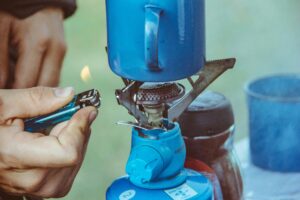
- Store canisters upright – Always keep gas canisters and cylinders standing upright during storage and use.
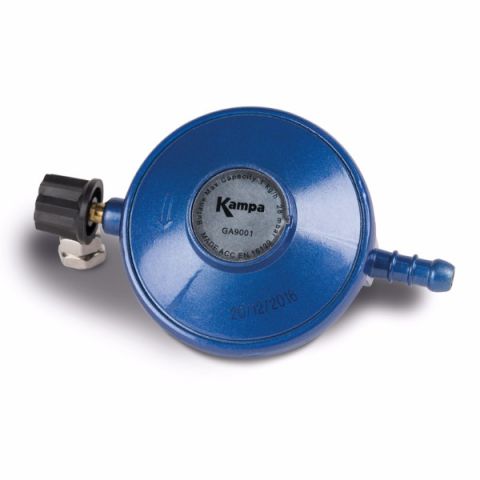
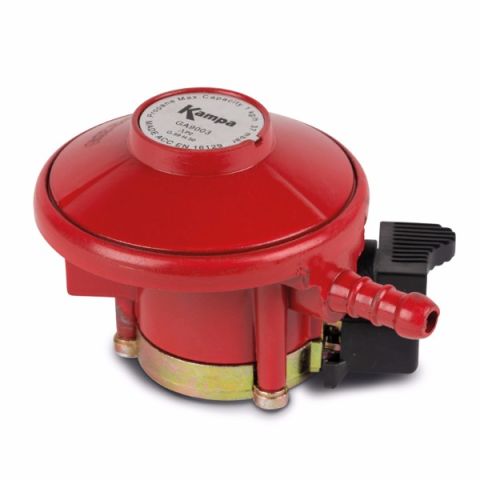
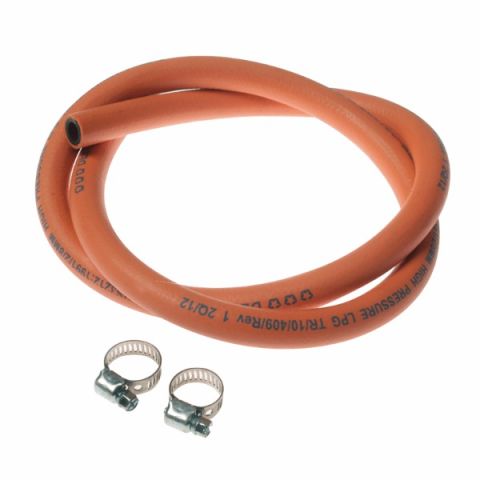
- Check for damage – Never use damaged cylinders, canisters, regulators or hoses.
- Inspect connections – Check all gas connections before lighting your appliance to ensure there are no leaks.
- Keep away from naked flames – Store gas safely away from open flames and other heat sources when not in use.
- Store in a cool, ventilated place – Keep gas cylinders out of direct sunlight in a cool, well-ventilated area.
- Follow the manufacturer's instructions – Always read and follow the guidance supplied with your gas appliances and cylinders.
Buying Camping Gas at Attwoolls Outdoors
Not sure which camping gas you need?
Pop into our Gloucestershire camping superstore and speak to one of our team. Many of us are keen campers ourselves, so we'll happily recommend the right gas cylinder, cartridge, regulator or fitting for your setup.
Whether you're heading away with a lightweight camping stove or preparing your caravan for a longer holiday, we'll help you find everything you need. We also stock a wide range of gas accessories, including regulators, hoses and fittings, making it easy to pick everything up in one visit.

A final note from us
A little planning goes a long way when it comes to camping gas. Choosing the right fuel, taking enough for your trip, and using it efficiently means you can spend less time worrying about running out and more time enjoying the outdoors.
If you're still unsure which gas is right for your setup, pop into our camping superstore or get in touch with our team. We'll be happy to help you find the right solution for your next adventure.
Although our gas is in-store only, follow the link below to see the accompanying items available to order online.