The Ultimate Guide to Camping Heaters in the UK
Discover the best camping heaters in the UK.
Discover the key differences between gas and electric camping heaters, essential safety tips, and how to select the ideal heater for your specific needs.
Nothing improves a chilly camping trip quite like a reliable heater. But safety should always come first. In the UK, not every type of camping heater is suitable for use in tents, awnings, or caravans. Using the wrong one could lead to fire hazards or even carbon monoxide poisoning.
In this guide, we’ll cover everything you need to know about heaters for the campsite including the different types, how to use them safely, and how to check if yours is suitable for your next trip.
What are Camping Heaters?
Camping heaters are designed to provide warmth on UK campsites, striking a balance between safety and practicality. Many campsites restrict the amount of electricity each pitch can draw, so a heater rated between 500 and 1500 watts is usually ideal. This keeps you warm without tripping your electric supply—or anyone else’s on the site!
Types of Camping Heaters
There are two main types of camping heaters commonly used in the UK: electric heaters and gas heaters. Each comes with its own benefits and safety considerations.
Electric Camping Heaters
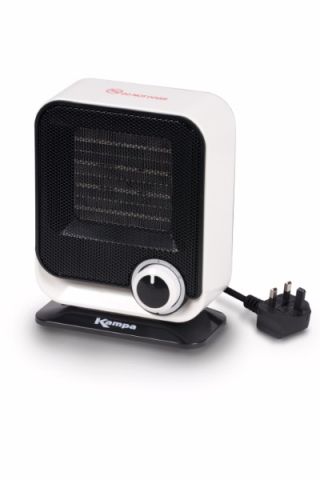
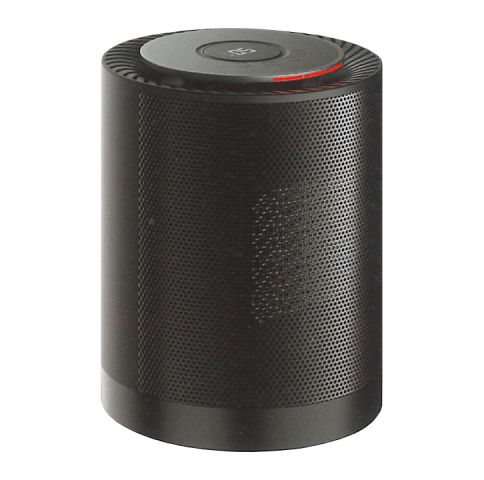
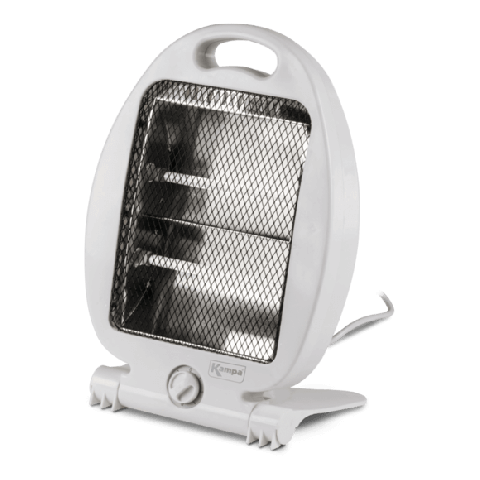
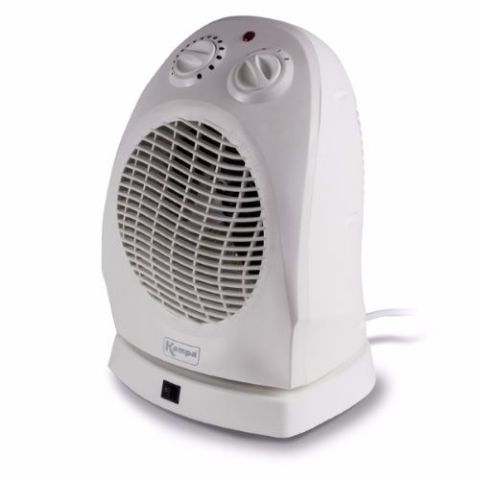
Electric heaters, the most popular choice for tents, awnings, and caravans, offer a convenient solution. To use one, your pitch must have an electric hook-up. They come in a variety of compact and portable designs, ideally suited for camping. Popular models include the Kampa Diddy Heater and the Quest Bahama Fan Heater.
Benefits of electric camping heaters:
- Safe for indoor use (unlike gas heaters).
- Many models include safety cut-off features if knocked over.
- Compact and lightweight for easy transport.
For families camping with children or pets, electric heaters are often the safest option.
Gas Camping Heaters
Gas heaters run on cartridges and are best suited for outdoor use. They work well in gazebos, event shelters, or party tents with plenty of ventilation. Popular choices include the Kampa Hottie and Kampa Glow 2, both of which feature safety shut-off mechanisms in case oxygen levels drop or the unit is tipped over.
Important safety note: Gas camping heaters should never be used inside a tent, caravan, or awning due to the risk of carbon monoxide poisoning. CO is colourless and odourless, but extremely dangerous; therefore, always keep gas heaters outdoors.
How to check if your existing Camping Heater is Safe
If you already own a camping heater, it’s worth checking its condition before heading to the campsite. Here’s a quick safety checklist:
- Inspect the unit – Look for dents, cracks, or corrosion, especially on gas models.
- Check connections – Ensure hoses, regulators, cables, and plugs are secure and undamaged.
- Test safety features – Does it shut off when tipped over? Does it cut out if overheating?
Confirm power compatibility – Make sure your electric heater is within the campsite’s wattage limit (generally 500–1500 watts).
A few minutes of checks can save you from a ruined trip—or worse. It's a small price to pay for a safe and enjoyable camping experience.
A final note from us
That completes our guide to camping heaters in the UK. Whether you’re looking for a safe electric heater for your tent or a powerful gas heater for outdoor use, always follow the manufacturer’s instructions and put safety first.
Explore our full range of camping heaters, including both gas and electric models, at our camping superstore. Many of our best-selling heaters are available online—browse the collection today and find the perfect heater for your next adventure.
Cover image by Maiola Grobelska