Merino Wool Vs Synthetic Hiking Socks: Which are better?
When it comes to hiking comfort, the right pair of socks can make all the difference.
Among the most popular options are Merino wool socks and synthetic hiking socks.
Each has unique benefits, and understanding how the materials work will help you choose the best fit for your feet and hiking style.
Read on to discover the pros and cons of Merino wool vs synthetic socks so you can make an informed choice before your next adventure.
What is Merino Wool?
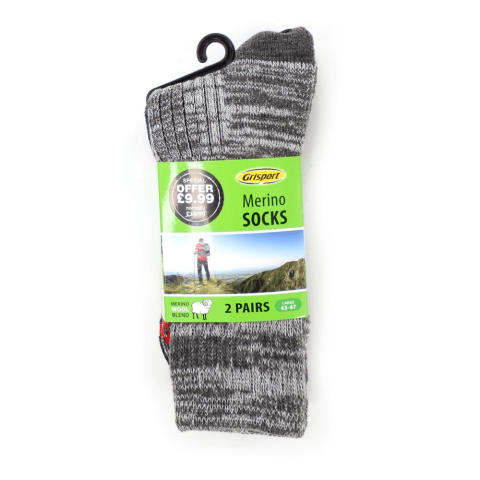
 Merino wool is a natural fibre produced from Merino sheep. Much finer than traditional wool, it’s soft, breathable, and moisture-wicking—qualities that make it especially suitable for outdoor clothing.
Merino wool helps regulate body temperature, keeping your feet warm in the cold and cool in the heat.
Benefits of Merino Wool
Fibre composition - Merino fibres are thinner and more flexible than regular wool, allowing the fabric to move with your foot. This makes Merino socks exceptionally comfortable for long hikes.
Breathable - For outdoor activities, merino wool socks are ideal for hiking and camping. The wool allows for sweat and moisture to escape through the fibres, making it a comfortable choice for hiking.
Soft feel - Unlike traditional wool, Merino is smooth and itch-free, making it perfect for sensitive skin.
Odour-resistant - Merino wool has natural antibacterial properties, which help prevent strong odours on multi-day hikes when regular washing isn’t possible. Ideal for long hiking and camping trips, especially when washing each item isn't feasible, as it prevents sweat and reduces the smell of your socks.
Fire-resistant - Unlike synthetics, Merino wool is naturally flame-retardant—an advantage if you spend a lot of time around campfires.
Warmth and insulation- Merino provides excellent insulation, even when damp. This means your feet stay warm and dry in wet or snowy conditions. Each layer of merino wool on your skin will wick away sweat and keep you warm and dry.
Sustainable: Merino wool is biodegradable and renewable, making it an eco-friendly choice compared to petroleum-based synthetics.
What is a Synthetic material?
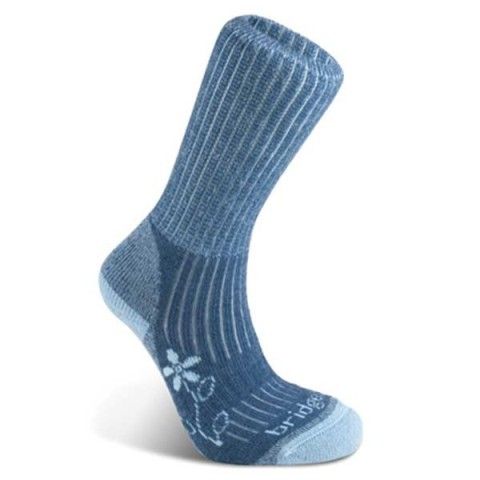
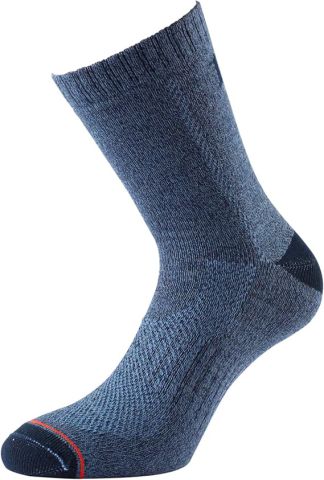
 Synthetic hiking socks are made from artificial fibres such as polyester, nylon, acrylic, and elastane. Many brands, including Bridgedale, Gris Sport and 1000 Mile Socks, use blended fibres to maximise comfort and performance.
These socks are especially popular with hikers, athletes, and people who spend long hours on their feet. Synthetic materials wick away moisture and reduce friction, helping to keep feet blister-free on challenging trails.
Benefits of Synthetic Materials
Fit and support - Synthetic socks are elastic and form-fitting, hugging the foot for extra support. This reduces movement inside the shoe, lowering the risk of blisters.
Enhanced comfort - Often, synthetic sock suppliers like 1000 mile socks and Bridgedale will offer a unique blend of synthetic fibres to provide the most comfortable sock. Blended fibres combine strengths. For example, polyester improves durability, while elastane adds stretch for a snug fit.
Drying time - Synthetic socks dry faster than Merino wool, which is ideal for wet-weather hikes or when you need to wash and dry socks overnight.
Durability- Synthetics are more resistant to abrasion, making them a good option for rocky terrain or long-term use.
Price - Typically cheaper than Merino, making them budget-friendly for casual hikers.
Versatile - Synthetic socks are versatile and suitable for more than just camping and hiking. Beyond hiking, synthetic socks are widely used for sports, running, and professions that require long hours of standing.
How do they Compare?

A final note from us
So, which are better—Merino wool hiking socks or synthetic hiking socks? The answer depends on your needs:
- Choose Merino wool socks for warmth, odour resistance, eco-friendliness, and comfort on long or cold-weather hikes.
- Choose synthetic hiking socks if you prioritise quick drying, affordability, durability, and support during high-intensity activities.
Ultimately, no single sock fits every hiker; it depends on your hiking style, personal preference, and terrain. Many people even choose a blended Merino-synthetic sock to combine the benefits of both worlds.
Looking for more hiking advice? Follow us on our social channels for top outdoor tips, or visit our camping superstore to explore our full range of Merino and synthetic fibre hiking socks—and find the perfect pair for your next adventure.