How to Reduce your Pack Size without Sacrificing Comfort
Packing light is the golden rule of backpacking and wild camping, but cutting down weight doesn’t mean you have to cut out comfort.
Whether you’re back packing through the Lake District or wild camping in the Scottish Highlands, learning how to reduce your camping pack weight will transform your outdoor experience.
The secret to smart packing and a more enjoyable outdoor experience lies in the gear you choose. Here at Attwoolls Outdoors, we stock a fantastic range of lightweight and functional camping equipment. This gear not only helps you travel smarter and lighter but also enhances your comfort and enjoyment of the great outdoors.
Read on to discover our top tips and backpacking essentials for reducing your pack size without sacrificing comfort.
 1 - Know your base weight
The key to smart packing without sacrificing comfort is in your hands. It starts with knowing your base weight, the total weight of your pack’s contents except for food, water, and fuel. This knowledge empowers you to make informed decisions, swap heavier items for lighter ones, and calculate your fully loaded pack weight.
Start by weighing each item and adding them up — don’t forget your clothing and cooking equipment! This helps you identify where you can swap heavier items for lighter versions. Once you know your base weight, you can calculate your full-loaded pack weight with food, water, and fuel.
Aim for a base weight between 10 and 12kg for comfortable walking and balance.
2 - Smart Sleeping
Your shelter, sleeping bag, and sleeping mat are the three most oversized items in your pack, so it’s worth investing in ones that are lightweight, warm, and compact versions.
Shelter: Backpacking tents are designed to be ultra-light and easy to set up, using high-quality fabrics that keep weight low while maintaining high performance. These are usually smaller than your average weekend tent but much more efficient for backpacking.
Recommended backpacking tents:
All three are compact, weather-resistant, and easy to carry. If you’re after a minimalist setup, consider using a tarp or bivvy. Some lightweight tents even use trekking poles for support — saving you from carrying extra poles!
 Sleeping Bags: You’ll need to choose between down and synthetic sleeping bags.
- Down sleeping bags are filled with goose or duck feathers. They’re light, compressible, and very warm, but lose insulation when wet and require careful drying.
- Synthetic sleeping bags are filled with man-made fibres. They retain warmth when damp, dry quickly, and are often more affordable, though slightly heavier and bulkier.
Recommended Sleeping Bags:
- Sea to Summit Synthetic Hamelin Sleeping Bag
- Sea to Summit Trek Down Sleeping Bag
- Vango Mantis Sleeping Bag
Sleeping Mats: Avoid bulky air beds and choose lightweight mats that still provide comfort and insulation. Choosing the right sleeping mat is not just about comfort; what you choose can make of break your trip. You need a strong mat for insulation, warmth and packability. The right mat will keep you warm off the cold ground and save precious space in your backpack.
- Inflatable mats are ideal for backpackers who want to save space and speed up set-up. They’re lightweight, highly packable, and offer excellent insulation for 3–4 season use.
- Self-inflating mats offer an outstanding balance of comfort and convenience, with some models providing extra warmth for colder conditions. They’re slightly heavier than inflatable mats but inflate quickly thanks to simple valve systems.
- Roll-out mats are a common choice for beginner backpackers as an affordable, no-fuss option. They’re less comfortable and bulkier to carry, often needing to be strapped to the outside of your rucksack.
Recommended Sleeping Mats:
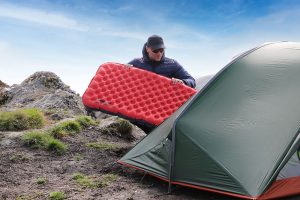 Sleeping mat tips:
- Fully deflate and roll tightly before packing
- Use compression straps or a stuff sack
- Store outside your rucksack if space is limited
What is an R-Value?
The R-value tells you how well a mat insulates you from the ground.
- R 1–2 = Summer camping
- R 2–4 = 3-season use
- R 4+ = Winter and extreme cold
For most UK camping, aim for an R-value between 2 and 4 for a balance of warmth and weight.
3 - Carry Comfortably and not Excessively
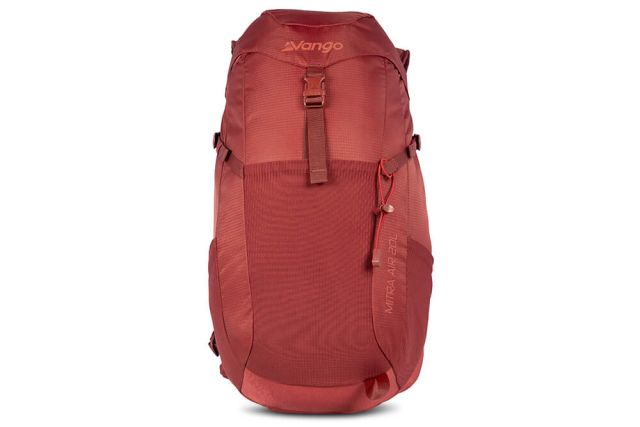
Choosing the right backpack is just as important as what you put in it. Your backpack should fit your frame comfortably and evenly distribute weight. A pack that’s too big or too heavy will make even short hikes a hard task.
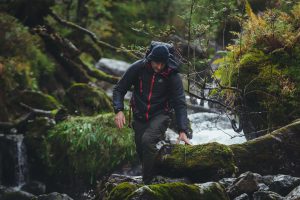
Backpack Capacity Guide:
- 6–10L: Essentials only (short hikes)
- 10–30L: Day hikes
- 30–50L: Weekend camping
- 50L+: Extended camping and expeditions
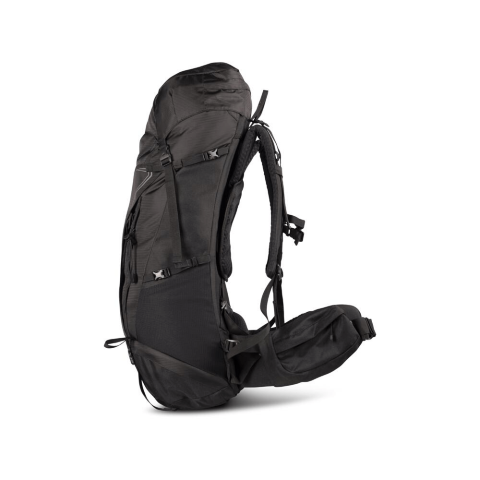
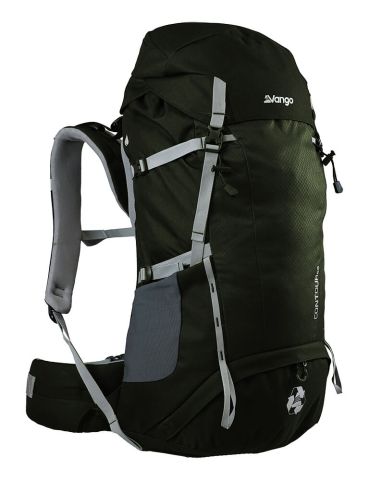
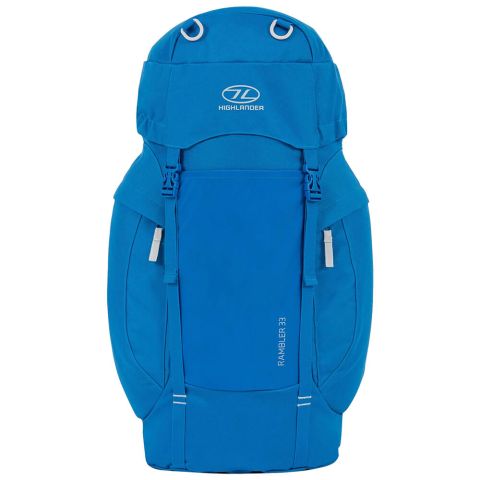
For multi-day or wild camping trips, a 50–70L backpack is ideal. It offers plenty of storage and often includes handy extras, such as detachable daypacks.
Recommended backpacks:
Look for adjustable back systems and padded hip belts to help distribute the load. Your hips should carry most of the weight, not your shoulders.
Packing tips:
- Place heavier items close to your spine for stability
- Store lighter gear like clothing and sleeping bags at the bottom
- Keep quick-access items (rain jacket, snacks) near the top or in side pockets
See Mikes handy packing advice YouTube video here
4 - Ditch the dead weight
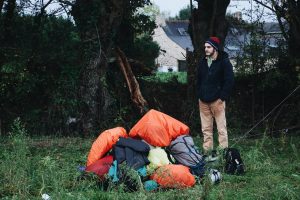 It’s surprising how quickly small extras can add up. Before packing, make a list and question the necessity of each item. Do I really need this? Items like spare trousers, extra fleeces, or multiple mugs may seem harmless, but can easily add unnecessary weight.
By focusing on the essentials, you can enjoy a more comfortable trip without the burden of excessive bulk.
5 - Packing Light doesn’t mean Basic
Going lightweight doesn’t mean you have to give up all your home comforts. Add a few compact items that make a big difference to your experience.
Sleeping pillow - An inflatable pillow gives you maximum comfort with minimal effort. Small, lightweight, and easy to carry, with all models under 200g.
We recommend - Vango Self Inflating Pillow
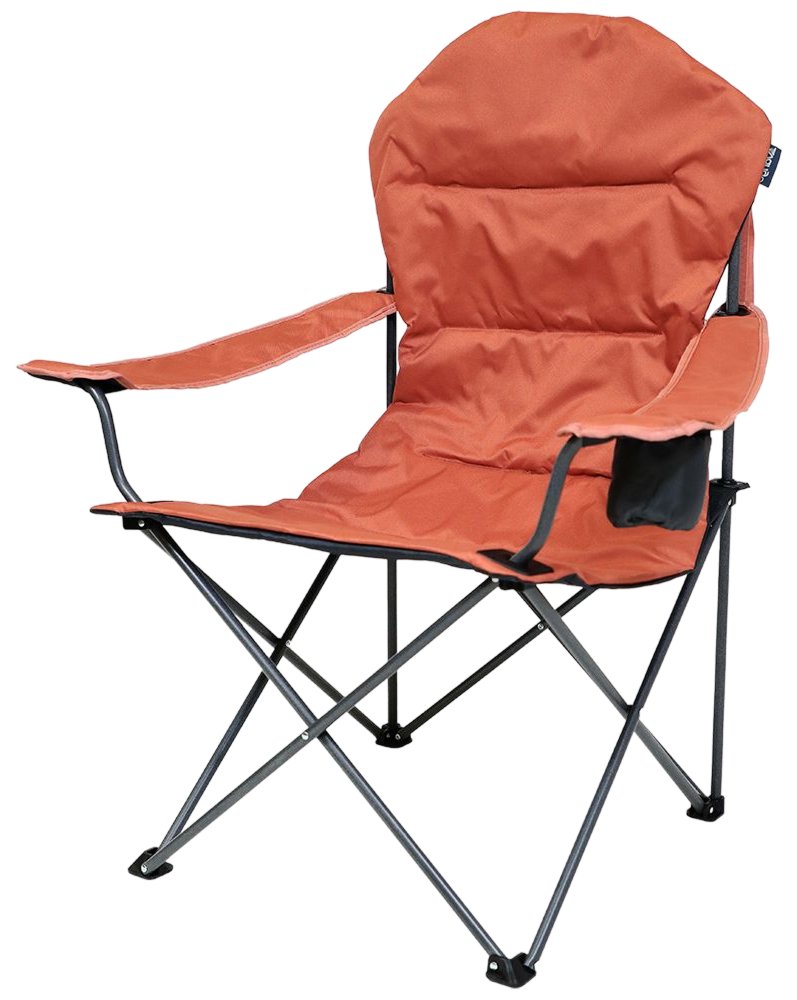
Compact stool - A portable camping chair is perfect for cooking, relaxing or taking in the views. While it may add a few grams, it will boost your comfort and be great for social camping, keeping you off the cold floor.
We recommend - Easy Camp Erm Stool
Collapsible cook set - Functional and compact cooking sets and utensils are ideal for wild camping and backpacking. Especially if they can fit inside each other!
We recommend - Easy Camp Moss 2 Cook Set (Coming soon)
Comfort on the campsite - Pack a cosy pair of socks or your favourite slippers. You can wear them to keep warm when sleeping and around the tent. Wear a versatile buff neck warmer that you can use while sleeping, walking, hiking, or as an accessory.
A final note from us
By mastering the art of packing light, you can enjoy the freedom of backpacking and wild camping without sacrificing comfort. From choosing the right tent, sleeping bag, and mat to optimising your backpack fit and trimming unnecessary items, every small decision makes your adventure easier and more enjoyable.
Discover our full range of backpacking and wild camping essentials below:
Visit us in-store and explore our vast selection of lightweight camping gear — perfect for your next outdoor adventure!