Caravans Vs Motorhomes: Which vehicle is right for you?
When it comes to touring in style, caravans and motorhomes are two of the most popular ways to explore.
Whether you're dreaming of coast-to-coast road trips, countryside escapes, or long-term nomadic living, both offer their own unique advantages — but which one is right for you?
In this guide, we’ll break down the benefits and key considerations for both caravans and motorhomes, helping you match your travel style to the right setup.
What is a caravan?
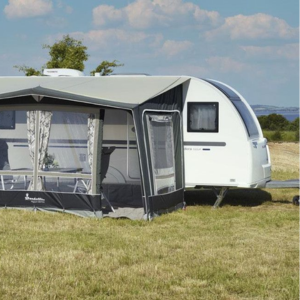 A caravan is a towable vehicle designed for living or sleeping in while travelling. It is essentially a mobile home on wheels that can be pulled by a car. Caravans are usually equipped with sleeping, dining, and living areas, and often include a small bathroom, depending on the size and model.
Caravan Advantages
- Variety of sizes – Caravans are popular because they suit a wide range of travellers, from solo adventurers to larger families. From lightweight 2-berth models to caravans that can sleep 6+ people, there is plenty of choice to suit different needs.
- Freedom to explore – Unlike motorhomes, caravans are towed separately from your everyday vehicle. This means you can leave your caravan set up on site and use your car for day trips, sightseeing, or popping out for supplies. When you return, your pitch, awning, and belongings will still be in place.
- Cost – Caravans are often more affordable to buy and maintain than motorhomes. As there is no engine, transmission, or fuel system to think about, there are fewer major mechanical components to service or repair.
- Customise the interior – Because a caravan is focused purely on living space, it can be easier and more affordable to personalise the interior with soft furnishings, storage solutions, and decorative touches.
- Spacious living – Without the need for a driver’s cab, caravans often make better use of internal space. This can mean more room for separate living, sleeping, and kitchen areas, and, in some models, a dedicated washroom or shower room as well.
Things to consider
- Requires a towing vehicle – A caravan cannot be used on its own, so you’ll need a suitable car that is capable of towing it safely and legally.
- Driving challenges – Towing a caravan can take some getting used to, especially for beginners. Reversing, turning, and parking require more care and confidence than driving a car alone.
- Set-up time – When you arrive on site, caravan setup usually takes a little longer than with a motorhome. This can include unhitching, levelling, connecting water and electricity, and putting up an awning or canopy.
- Storage – When not in use, caravans need to be stored in a safe, protected location. If you don’t have space at home, you may need to factor in storage costs.
- Slower travel – Because you are towing, journeys may take longer. You’ll need to drive more carefully, especially on hills, bends, and narrower roads.
What is a Motorhome?
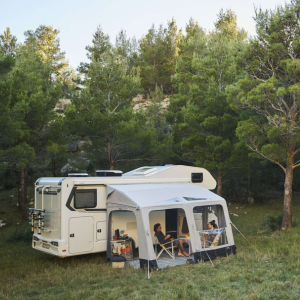 A Motorhome is a self-contained vehicle that combines transport and living space. It has its own engine and can be driven like a vehicle, so there’s no need for a separate towing car.
Motorhome Advantages
- All-in-one travel – One of the biggest advantages of a motorhome is convenience. Everything you need is in one place, making it easy to stop, rest, cook, or sleep whenever your journey allows.
- Quick setup – Parking up on site is often quicker and easier with a motorhome. In many cases, it can be as simple as parking, levelling, and connecting to the mains if needed.
- Spontaneous travel – Motorhomes are ideal for last-minute getaways and weekend escapes. Because everything is already packed into one vehicle, it’s easier to head off with minimal preparation.
- Integrated facilities – With built-in water tanks, waste systems, heating, and often cooking facilities, motorhomes are well-suited for self-contained, off-grid travel.
- Clever storage and space-saving design – Because motorhomes combine driving and living in one vehicle, designers make excellent use of every inch of space. Features like swivel seats, foldaway tables, and convertible beds help maximise practicality.
Things to consider
- Purchase cost – Motorhomes are generally more expensive than caravans because they combine both accommodation and transport in one vehicle. Newer models often include integrated heating, solar panels, waste systems, and advanced electronics, all of which can increase the price.
- Mobility limitations – Once you are parked up on site, exploring the local area means taking the whole vehicle with you unless you bring bikes or another form of transport.
- Higher running costs – With a motorhome, you need to factor in vehicle servicing, insurance, road tax, fuel, and repairs, which can make ownership more expensive over time.
- Depreciation – Motorhomes can lose value more quickly than caravans, partly because mileage and vehicle condition play a bigger role in resale value.
Key things to remember
So, whether you choose a caravan or motorhome for your next adventure, there are advantages and considerations with both. The right choice will depend on your travel style, budget, driving confidence, and how you like to holiday.
If you enjoy longer stays in one place and want the freedom to explore by car once you’re pitched up, a caravan may suit you best. If you prefer convenience, flexibility, and being able to travel with everything in one vehicle, a motorhome could be a better option.
Whatever you choose, we hope this guide has helped you answer that all-important question: caravan vs motorhome — which is better for you? For more tips, advice, and inspiration, follow our social channels below or explore our other advice blogs on Camp Life.